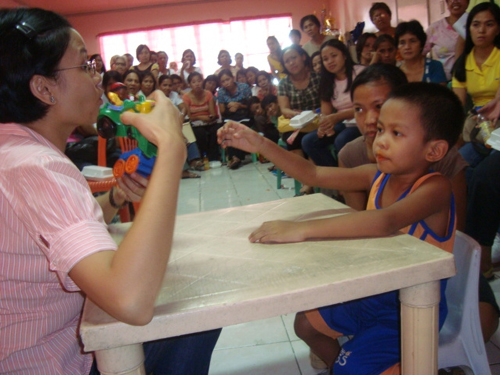
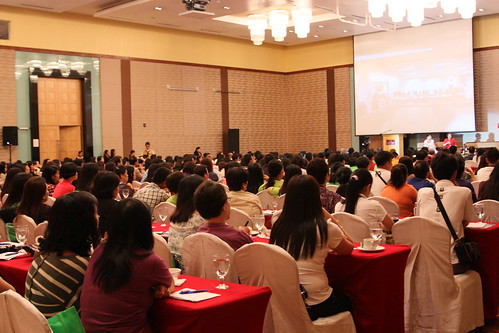
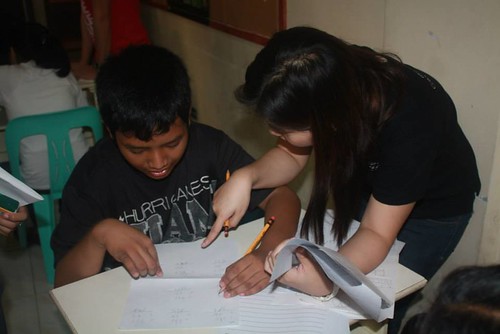
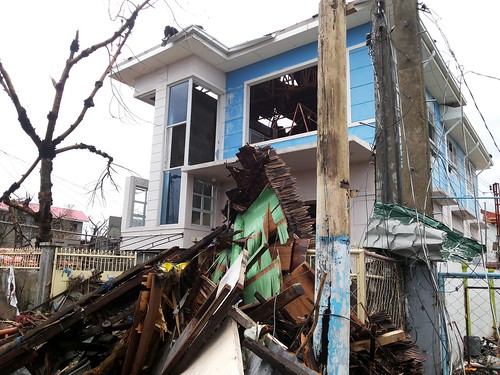
The Autism Society Philippines (ASP) is a national, non-profit organization dedicated to the well-being of persons on the autism spectrum disorder. We envision a society where Filipinos on the spectrum become the best of their potentials -- self-reliant, independent, productive, socially-accepted citizens of an Autism-OK Philippines.
Showing posts sorted by relevance for query free therapy. Sort by date Show all posts

02 December 2010

ASP Baguio Chapter’s Free Seminars

ASP Baguio Chapter, in cooperation with Play & Say Therapy Center, sponsored FREE half-day seminars on autism last September, October and November. About 200 students, parents, professionals attended each of the seminars, which were held at the multipurpose hall of Baguio City Hall (courtesy of Councilor Fred Bagbagen, Chairman on Handicapped and Differently-abled Persons of Baguio City and Mayor Mauricio Domogan).
about 200 participants attended the Free Seminars and Therapy of ASP Baguio City Chapter

According to ASP Baguio Chapter President, Jenny Gundran, a survey was done during the chapter’s “A” Fun Run for Cause at Burnham Lake Drive, last July 27. They found out that most people who registered were still not fully aware of what autism is. This inspired the chapter to rise up to the challenge and open free seminars to the public to promote public awareness and advocacy in Baguio City and in nearby towns of Benguet.

The seminar dates and speakers were as follows:

September 5, 2010, Dr. Manolo Fernandez (Pediatric Neurologist) gave an overview on epilepsy and autism, the pharmacologic interventions in autism and stem cell therapy; while Dr. Millicent Fronda-de Vera (Developmental Pediatrician), spoke on identifying Pervasive Developmental Disorders within Autism Spectrum Disorder.

October 3, 2010, Play & Say Therapy Clinic’s Lua Limbo (Center Administrator), expounded on the proper management and Justine Palou (Speech Pathologist) gave crucial tips on teaching non-verbal children with autism, while Jonalyn Cortez and Marilou Panglao (Occupational Therapists), gave a lecture on Occupational Therapy for Children with autism.

November 6, 2010, ASP Baguio Chapter President, Jenny Gundran and ASP member- parents shared their experiences in handling their own children with autism. Joan Garcia (SPED Teacher) acted not only as facilitator but also lectured on strategies in teaching children with autism and on the importance of individualized educational programs.
the team of ASP Baguio City Chapter

To cap the year, ASP Baguio City Chapter will hold its annual FREE THERAPY (now on its fourth year), for children with autism and other special needs on December 21-22, 2010. A team of therapists from UP CAMP Manila, staff of Play and Say Therapy Center, and volunteers from Baguio City will render free services for pre-registered children and parents. The FREE THERAPY is made possible with support from CS Foundation, City Government of Baguio, City Social Welfare and Development Office, Play & Say Therapy Center, Sunflower Children’s Center and BENECO. Click here for more information.

24 November 2014

ASP Sta. Rosa Conducts Free Therapy and Play

ASP Sta. Rosa conducted free therapy and play for persons with autism last 22 November 2014 at St. John Bosco Sta. Rosa, Laguna. Twenty eight children were given free occupational therapy assessment by Occupational Therapists (OT) from Creative Milestones and Learning Center, assisted by OT students from University of Perpetual Help.

PWA being assisted by a mom

Aside from the OT assessments, PWA's had fun doing yoga, arts and play activities. Free yoga mats, art materials and books were given to our PWA's. The parents and guardians also had support group talks while the PWA's were doing assessments and play. This outreach program aims to make therapy and play accessible to our PWA's in the community who have little access to such services.

ASP Sta. Rosa wishes to thank all our donors and friends for their generosity and support.
Special thanks to Creative Milestones Learning Center, University of Perpetual Help OT
students, Yusen Logistics volunteers, Mommy Chu Calleja, St John. Bosco Parish and
volunteers.

About the Contributor: Olive Medina is mom to CWA Enzo and his baby sister Lizzie. Aside from fulfilling her duties as a wife and mother, she works as General Manager for a logistics company, a part time college lecturer and part time yoga instructor. She is also the president of ASP Sta. Rosa Chapter.

17 December 2013

Family Autism Advocacy Surges Amidst the Storm

This article appeared on 16 December 2013 in the print and on-line versions of Manila Bulletin's "Angels Talk" under the by-line of Dang U. Koe, ASP Chair Emeritus.

GMA-7’s “24 Oras” reported Gene and Rita Managbanag who were helping others in Ormoc City at the height of super-typhoon Yolanda. Rita, a Special Education head, handled the evacuation of residents in her school while Gene was busy relaying messages to the rescue team as a radio communicator during calamities.

They didn’t know that in the act of saving others, they would lose one of their own. What the news did not say was that the Managbanag couple are the founding leaders of Autism Society Philippines’ Ormoc District 1 Chapter, and that the eight-year old Lorenzo was their son who drove them to pioneer autism advocacy in Ormoc.


During the 2012 National Autism Conference on “Living with Autism,” disaster preparedness was discussed by parent panelists who shared their experiences with their children with autism during super typhoons. One of them told a heart-breaking story about a mother who made the painful choice of leaving behind an adult daughter with autism who resisted being pulled out of their home filled up with floodwaters. The mother had to save the other family members. The daughter drowned.

But even the tips shared by the disaster expert during the conference could not have prepared any family for Typhoon Yolanda, as experienced by Dr. Geraldine Abuyador, founding president of ASP Tacloban chapter. Her son with autism Marky, 10, was not mindful of the rains in the beginning. His family went their usual way having already secured their house from the storm. Then as water rose fast, Marky was carried piggy back by his yaya to go up their second floor. He was crying as they waded through the dirty seawater inside the house. He only stopped crying and screaming when his yaya brought him to the window and explained to him that his swing could not be seen because of water everywhere.

WHAT YOLANDA DID TO THEM

But maybe for other children with autism, having no sense of danger is a blessing. There was no trace of any fear on the face of seven-year-old Marc Laurey even when all his family members were already crying as they were being terrorized by Yolanda’s wrath. According to his mother Pia Chu, ASP Ormoc District 2 president, Marc’s first super typhoon experience made him more aware of his surroundings and taught him about stormy weather. After Yolanda, Marc also learned how to mingle with their neighbors because he enjoys going with his mother to relief distributions. The other best thing that he learned because of Yolanda is that he now knows how to lead the rosary!

Dr. Abuyador also could not stop counting her blessings after Yolanda – the people who helped them migrate to Davao, including those who gave Marky free therapy sessions as they adjust to their new home.

“Mas nagsasalita na si Marky ngayon. We hear him say words he has not said before. Who knows if the trauma of the experience allowed his brain to use nerve connections or pathways not used before?” says Dr. Abuyador who could only thank God again and again.

Picking up the pieces of their lives, these brave and resilient families still have one thing in common – the need to pursue autism advocacy after Yolanda. The loss of their dear Enzo made Gene and Rita Managbanag vow to pursue the advocacy even more relentlessly for “we cannot let the memory of Enzo just fade away.” While still busy overseeing the needs of the evacuees, the power couple behind ASP Ormoc District 1 has started planning for Angels Walk for Autism next January in their city.

For the sake of their children, Lee Mercado’s family has moved on to Manila, leaving behind their home and properties. She immediately contacted ASP national office to inquire where to place her son with autism and how to keep the child busy while looking for a school. Kind-hearted centers offered free therapy sessions for them and their other Tacloban chapter members who relocated to Manila. As chapter leader, Lee continues to monitor her flock and guide them in finding help. She appeals for temporary therapy centers so that children with autism in Tacloban will not regress.

Pia Chu’s family home, though flooded, was spared by Yolanda. She immersed in relief and rebuild operations by being a volunteer for various civic and volunteer organizations such as Rotary and UK Shelter for Humanity. Pia is now appealing for help to rebuild Linao Central School which housed the SpEd Center where her child with autism used to go.

TCADD of Tacloban

When Dr. Abuyador’s family left Tacloban to settle in Davao City, she felt hopeless to reopen the school she built as a personal mission – the Tacloban Center for Autism and Other Developmental Disabilities. But when she called up a parent to inform him that she would refund the tuition fee paid for his son with autism, the father asked her where would his son go if TCADD would close. “Then I remembered, TCADD is not my school but His school and He will provide for our needs.” Her teachers said they would stay in Tacloban and re-open the school even without salaries! They unanimously agreed to give free SpEd services in Tacloban City.

Dr Abuyador said she does not have the money to rebuild the school, but though “the flood and the wind shattered lives and homes, it gave us an opportunity to feel God’s presence through these life-changing events. Though already rejected by some possible sponsors, we hang on to our faith that in His time, TCADD will reopen to continue making positive changes in the lives of these special children of Tacloban.”
For those who would like to help in rebuilding therapy centers for children with autism and other special needs in areas affected by Yolanda, please email autismphils@gmail.com.

(Green turns silver as ASP celebrates its 25th year in 2014. Part of the celebration is the Angels Walk, also the annual kick-off event for the 18th National Autism Consciousness Week which will be held on Jan. 19, 2014 at the Mall of Asia Arena in Pasay City. Sign up on-line at http://bit.ly/angelswalk2014, for your free tickets.

05 May 2010

Aquatic therapy and the child with autism

By: Dang Uy Koe, ASP Chair Emeritus
WATER POWER. In aquatic therapy, children are encouraged to learn basic skills, such as holding their breath and submerging through the hoop, with the encouragement of the other children and the therapist.

Have your ever done anything fun as a family with your child with autism (CWA)? Have you ever watched him or her engage in a purposeful activity he finds genuinely fulfilling? Have you ever sat back knowing your child is having fun doing something socially acceptable, rather than just sitting and watching TV?

If you are like many parents, pressured by self-imposed demands to meet age-appropriate developmental levels, chances are, you may have overlooked aquatic therapy and the numerous benefits it can bring to not only your child, but to your entire family.

Our guest writer for this week’s Angels Talk is Cristina de Leon-Hinlo. She is the program director of Therapy Works Inc., a pioneer in the appropriate practice of aquatic therapy for children and adults with special needs.

A graduate of BS Occupational Therapy from UP College of Allied Medical Professions, she also had her masters in Business Administration (Health) from the Ateneo de Manila University.

Teacher Cris is also the founding member of Therapy Center Movement Association, proponent of Thera-Free or Libreng Therapy para sa Pilipino.

*****

Water has long been enjoyed recreationally by people of all ages, and persons with disabilities are no exception.

For the last half century, more and more occupational, physical and even speech therapists in Europe and the United States have been using water-based activities to help children with special needs achieve therapeutic goals and gain necessary life skills. In the last 15 years, there have been more workshops and literature available abroad regarding the benefits of treating children with autism in the water.

At Therapy Works, occupational, physical and speech therapists see in the swimming pool a great number of children who have been diagnosed with autism. These CWA have a wide range of abilities and limitations:

***All have sensory processing issues that have either been successfully or unsuccessfully addressed by land-based therapies.

***Some have self-stimulating behaviors, others have self-injurious behaviors, and yet others have no awareness of the danger that going to the deep end may bring.

***Some quickly adapt to the water and find immediate joy in being immersed.

***Others are clingy due to unfamiliarity with the new environment, yet willing to try given a little coaxing from their therapist and parents.

***Still others present with extreme fear, either due to a traumatic experience (they previously got thrown in the pool and made to learn like other children) or to a severe sensory processing issue, such as gravitation insecurity.

But all find comfort in the rhythm and routine of the session, and become secured in the structure of the session.

What is aquatic therapy?

According to the Aquatic Therapy and Rehabilitation Institute in Florida, USA, Aquatic Therapy is the “use of water & specifically designed activity by qualified personnel to aid in the restoration, extension, maintenance of quality functions for persons.”

Purposeful activities in the water have many physical, psychological, sensory, cognitive and recreational benefits.

1. The health benefits of engaging in water activities include improvement in strength, endurance, coordination, and balance.

2. It develops a positive mental attitude and promotes self-esteem, preparing the child to successfully engage in interpersonal relations;

3. It calms the child’s sensory system (examples are: reducing hyperactivity, decreasing tactile sensitivity, decreasing self-stimulatory behaviors and repetitive behaviors, etc.) so that he can cope with everyday demands;

LD is a 7-year-old child who could not communicate, had feeding problems, presented with self-injurious behaviors, such as biting himself, and pinching or slapping others. Poor attention span and impulse control were a hindrance to learning basic concepts and communication skills.

Upon first engaging in aquatic therapy, he was hesitant, fearful and in fact, threw several temper tantrums. After a few sessions, his speech therapist noted a decrease in aggressive behavior towards himself and others, an improvement in his focusing abilities, and a remarkable improvement in his ability to communicate. Furthermore, he learned how to do proper strokes by watching the therapist’s demonstrations.

4. It improves the child’s work behaviors (examples are: attention span, concentration, ability to follow instructions, etc), thereby making a more receptive learner.

5. By engaging in regular recreational activities in the water, children can have a fun activity to look forward to.

6. Lifestyle diseases, such as high cholesterol, obesity and diabetes, can be avoided.

Water works!

The properties of water, such as hydrostatic pressure, turbulence, viscosity and temperature all play a role as to why a well-planned treatment in the water is effective.

The deep pressure exerted by the water on the body is present the entire time the child is in the water, thereby providing much needed calming tactile stimulation to the child who is highly sensitive to touch.

Pressure and viscosity also help children with gravitational insecurity to have a better sense of security; any potential “fall” will not hurt as it would if they fell on the pavement.

The resistance water provides makes moving three times more difficult in water than on land. This provides a lot more input to the “muscle sense” or the proprioceptive system (the unconscious perception of movement and spatial orientation arising from stimuli within the body itself). Children with problems in this sensory aspect are often clumsy, do not know their own strength, play too roughly, engage in a lot of “crashing play”, are very fidgety, and hyperactive. On the other end, proprioceptive problems may also cause the child to appear limp and lethargic, have poor posture, and have problems with balancing tasks.

Engaging in well-directed activities in the water helps the child gauge his own body boundaries better, allows him to regulate the force his body exerts when playing or working on tasks (thereby avoiding hurting himself and others), and improves his posture and coordination.

Furthermore, the amount of energy required to do activities in the water helps decrease the child’s hyperactivity, resulting in a better ability to concentrate on tasks afterwards, improve sleep patterns and eating habits.

S.D. is a 5 year old female with autism who presented with a variety of sensory issues. She was extremely averse to getting her face wet, submerging her head and assuming a horizontal position necessary in propelling herself forward. She cried out in fear and would clutch at therapist or mother when her feet would leave the pool floor. (This insecurity during movement was not only present in the pool, but on land also.) She also hummed during the entire session, and had minimal verbal output.

After a year of weekly aquatic therapy, she gained enough confidence to traverse the length of the pool without assistance or floatation devices, could submerge to get objects from the floor, and could express herself in a more audible voice. Self-care skills, particularly bathing, grooming and dressing, improved greatly as well.

She also became more confident in trying different types of movement on land, such as jumping, hopping and skipping.

Engaging in activities in the water is perceived as fun and as time of shared joy for families. The child learns to look forward to therapy and it becomes a source of conversation for the family. The physiologic response to water also helps build the child’s strength, endurance and lung capacity.

Enrolling a CWA an aquatic therapy program

The success of your child’s intervention is dependent on how well your therapist is able to evaluate your child’s needs on land and in the water, and how appropriate this treatment program is in achieving your goals. Children are either referred by their developmental pediatrician or their other therapists to engage in individual or group aquatic therapy at a reputable therapy center. Children may be referred to an occupational, physical or speech therapist depending on the target skills and goals of the parents, therapists and doctors.

Responsibilities of the therapists?

1. Correctly assess the sensory and physical needs of the child as it relates to land and water.

2. Plan activities very well; should be purposeful, must improve the ability of the child to cope with daily demands, and should improve his quality of life.

Different approaches to aquatic therapy?

They can be done in an individual or group setting depending on the needs of the child and the goals of the family. Treatment plans are designed to address various areas, such as physical, social, cognitive, communication, vocational and psychological goals.

1. Individual Sessions: Children recently referred usually engage in individual sessions until there is improvement in their attention span, concentration, impulse control, frustration tolerance, ability to follow instructions, self-confidence, survival skills and propulsion skills.

2. Group Sessions: Social skills training can be engaged-in during group aquatic therapy sessions with specific skills being targeted. During group sessions, they not only have to work with the therapist, but they have to learn to engage their group mates, share toys and equipment, and experience cooperative and competitive play.

Choosing the right swimming pool

Since children with autism have a lot of sensory issues, choosing a pool is critical in the success of your program.

1. Choose a pool that has a shallow end where he can get used to being in the water, and a deep end where his skills can be challenged as he gains confidence.

2. A pool where there are only a few people is desirable so as not to be too noisy or congested.

3. Some children are sensitive to bright environments, so either choose an indoor pool with controlled lighting, have therapy earlier or later in the day, or make them wear tinted goggles to shield them from sunlight.

From aqua therapy to sport and recreational activity

Aqua therapy is the engagement in swimming as a recreational activity - progressing from individual to group. Some parents initially enrolled their children in swimming lessons with the simple goal of seeing their children engage in an activity which is fun and socially acceptable. And then they see their children bloom under the careful supervision of our swimming coaches, and some have even taken to joining competitions. B.H. is a 6-year-old male diagnosed with autism whose primary goal for aqua therapy was to improve coordination. When the therapist saw his potential, he was immediately started on a swimming program with one of our coaches. After only eight sessions, he joined a competition and came in 5th! His parents did not think he would finish as he just started and was practicing in a much smaller pool. They were gladly proven wrong. With his self-confidence buoyed by this victory, he looks forward to his swimming sessions where he now trains in an Olympic-sized pool with other children with special needs.

-------------------------------------------------

While Teacher Cris and I were exchanging emails about this Angels Talk feature, I sent her a video clip of my son. It shows Gio, swimming “langoy aso” (dog style), which he instinctively learned on his own. I kidded Teacher Cris “if I enroll Gio with your therapists, can he become a Michael Phelps?” Teacher Cris need not answer that question. Gio does not have to be a Michael Phelps to make us proud of whatever new aquatic skills he will gain. Simply being in the water makes Gio happy. That makes our family happy.

03 February 2011

ASP Gives Seven Free Lectures on Autism

By: Cathy Genovia, ASP Volunteer

ASP members and non-members have enjoyed not only one, nor two nor three, but SEVEN FREE LECTURES on AUTISM. This is in line with the 15th National Autism Consciousness Week Celebrations.

January 19, 2011

More than 100 participants attended a free lecture on Hyperbaric Oxygen Therapy (HBOT), Multi Sensory Environment (MSE) and Aqua Therapy (AT). The lectures were held at Quality Life Discoveries (QLD). ASP Vice President Peng So and ASP Treasurer Evelyn Go came to support the event.
the participants on the said free lecture

Teacher Archie David, QLD Executive Director and Ms. Mary Ann Cua, owner of QLD, welcomed the participants. After the seminar, Ms. Cua allowed the participants to have a tour of the facilities and view the actual equipment used on said alternative therapies.
(from left) QLD Owner Ms. MAry Ann Cua, ASP Vice President Peng So,
ASP Member Ren Perez, QLD Executive Director Prof. Archie David
and ASP Executive Director Ranil Sorongon

Speakers were: Dr. Jose Bernardo, who talked about the advantages of Hyperbaric Oxygen Therapy (HBOT) for PWAs; Ms. Lorraine Tan (OTRP) on the importance of providing a Multi Sensory Environment for CWAs; Mr. Christian Oliver (PTRP) together with Ms. Raina Reyes (OTRP) for Aqua Therapy.

The said lectures were in partnership with Quality Life Discoveries, a state-of- the-art Therapy Center and the ASP National Office.

January 21, 2011

More than 350 attendees filled the Sky Dome of SM City North EDSA to listen to the ROLES of PROFESSIONALS in the life of a Child with Autism (CWA). Speakers were Dr. Jacqueline Navarro (Developmental and Behavioral Pediatrician); Mr. John Paul Mallari (Occupational Therapist); Dr. Ferdiliza Garcia (Speech and Language Pathologist) and Ms. Geevee Rivadelo (Special Education Teacher). Teacher My Sorongon, also a special educator and ASP EDIEP Trainer, served as the moderator during the open forum.
one of the participants during the open forum

Our four guest speakers explained their significant roles and how their roles are equally important in the success of the program of a child with autism. The participants were also given an Open Forum to air their concerns about their students/children and were given practical advice on how to deal with the situation.
our four guest speakers: (from left) Dr. Jacqueline Navarro, Mr. John Paul Mallari,
Dr. Ferdiliza Garcia and Ms. Geevee Rivadelo

Our heartfelt thanks to sponsors Ms. Mary Ann Cua and Teacher Archie David of Quality Life Discoveries. Also to Channel 5 and Philippine Information Agency (PIA) for the media coverage.

01 October 2014

October 25 Saturday Seminar on Music as a Therapy Option

Music as a Therapy Option
9:30am – 12:00pm

Well established as an allied health profession in other countries, Music Therapy has yet to be better known in the Philippines as a therapeutic option. Studies reveal that most individuals with autism spectrum disorder respond positively to music -- making music interventions potentially effective when used within a therapeutic context. Music Therapy can encourage social interactions, increase attention and communication attempts, reduce anxiety and improve body coordination. Our session speaker will share what it is, why and how it works, why it is both an art and science, how it is carried out and benefits individuals with special needs.

Our speaker, Ms. Sol Bautista

Ma. Solinda Garcia-Bautista, a senior management executive and management consultant of 28 years with top global firms, is pursuing Music Therapy graduate studies to provide an extraordinary potent, therapeutic option for families with exceptional children. Inspired by her 20-year-old middle child with autism who grew up with music all around him, Sol is amongst the first batch of graduate students at the St. Paul University Manila College of Music and the Performing Arts, a Center of Excellence for Music pioneering Music Therapy programs in the Philippines.

Sol concurrently gave chase to Business Administration & Accountancy at the University of the Philippines and Music at Sta. Isabel College, delivered her piano graduation recital and garnered eighth place in the CPA boards. She helped transform businesses through technology as a consultant locally and abroad on mission-critical engagements in New York, Chicago, Tokyo and Hong Kong, and as a senior executive for a multinational financial firm. She concertizes when time permits, as a soloist and with her family.

Seminar Details

Pre-reg. *until October 21
Active ASP Member - Free
Non - Member - P600.00

On-Site Registration
Active ASP Member - Free
Non - Member - P700.00

Venue: G/F Lopez Building Meralco Compound Ortigas Avenue, Pasig City
Map: http://bit.ly/1wWFRdv
Seminar Fee is inclusive of certificate, handouts and snacks
For Free registered participants, certificates will cost P200

Pre-registered participants may pay to Autism Society Philippines, Metro Bank, Kamias Branch Account Number 047-3-04751874-2. Please fax your deposit slip to 7-903-5496 or email a scan copy at autismphils@gmail.com with the name/s of participant/s to ASP office and bring it on the day of the seminar. On-site registrants will be accepted depending on the availability of slots. There will only be 50 slots available. No refund will be given to participants who did not show up on the date of the seminar. For more details, please call ASP at 7-903-5496.

The ASP Education and Empowerment Program serves as a platform to educate Filipino parents and professionals on the various interventions, modalities and theories surrounding Autism Spectrum Disorder. Their application and implementation are left at your discretion. The views and personal experiences of the speakers are their own and may not necessarily reflect the views of the organization.

05 March 2010

ASP Baguio Chapter Free Therapy Project

ASP Baguio Chapter launched its Free Therapy Project last March 21. The chapter, headed by Jennifer Gundran, reported that beneficiaries came from as far as Benguet and La Union.
therapist in action

Volunteer Occupational Therapist (help people do the day-to-day tasks that “occupy” their time, sustain themselves, and enable them to contribute to the wider community), Speech Therapist (who treats speech defects and disorders) and Physical Therapists (who treats injury or dysfunction with exercises and other physical treatments of the disorder) gave precious time to attend to 65 children with disabilities (including those with autism); courtesy of Play & Say Therapy Clinic, headed by Justine Paluo and Sunflower Children’s Center, headed by Fr. Geraldo Costa.
volunteer Occupational Therapist during their session

For more information on ASP Baguio Chapter and their activities, contact them at 0927-295-4744 or email them at noelgundran@yahoo.com or visit our community website for more details.

07 January 2011

Jan 19 1PM Seminar on Hyperbaric Oxygen Therapy (HBOT), Multi Sensory Environment (MSE) and Aquatherapy/Watsu

In partnership with Quality Life Discoveries, a state of the art therapy center, ASP National Office will be having a seminar on

a. Hyperbaric Oxygen Therapy (HBOT) by Dr. Jose Bernardo

This brief lecture will present an overview of the rationale, indications, procedures and potential benefits of the Hyperbaric Oxygen Therapy (HBOT) for children with developmental conditions. Pieces of evidence to support its effectiveness will likewise be discussed.

Dr. Jose R. Bernardo is the head of the Armed Forces of the Philippines Medical Center’s Department of Rehabilitation Medicine. He received numerous trainings on Hyperbaric Medicine on neurology and neuro-rehabilitation abroad from institutions such as the Royal Adelaide Hospital in Australia and the NIX Medical Center in San Antonio, Texas, USA. He obtained his Bachelor of Science degree from the University of the Philippines and Doctor of Medicine from the Cebu Doctor’s College of Medicine.

b. Multi Sensory Environment (MSE) by Lorraine Tan, OTRP

This 30 minute session will provide a basic overview on the history, purpose, and benefits of this innovative complementary therapy called Snoezelen or Multi-Sensory Environment (MSE). Participants will gain additional knowledge and a better understanding on how providing a multi-sensory environment will enable children with disabilities to achieve their optimal potential for learning, and ultimately enable them to maximize their participation in their home, school, and community.

Lorraine Ocampo Tan, MA, OTRP graduated with a bachelor of science degree majoring in occupational therapy, cum laude from the University of Santo Tomas. In 2010, she received a master of arts degree majoring in advanced occupational therapy from New York University, USA emphasizing in pediatric intervention.

c. Aquatherapy/Watsu by Christian Oliver Cruz, PTRP and Raina Reyes, OTRP

AQUATHERAPY can be one of the most rewarding and fulfilling experiences for the child with autism. This lecture will help participants learn about the factors and techniques that can make the pool a unique learning and therapeutic environment for the child with autism. Ms. Raina Reyes, OTRP will assist and serve as a reactor in order to incorporate occupational therapy perspectives.

Mr. Christian Oliver Cruz completed his Bachelor of Science in Physical Therapy from the University of the Philippines where he served as a full-time faculty member at the Department of Physical Therapy. He obtained his Masters degree in Ergonomics from the Lulea University of Technology in Sweden. He is a certified Watsu therapist from the Worldwide Aquatic Bodywork Association. He has obtained a certification on Sports Instruction for Physical Disabled Persons from the Japan International Cooperation Agency. Mr. Cruz currently serves as aquatherapy consultant and head physical therapist at the Quality Life Discoveries in Quezon City.

The four affiliates of Quality Life Discoveries will orient the participants on the three alternative therapies use in the management of autism. After the seminar a tour of the facilities will follow to let see the actual equipment and experience such therapies.

Date: Jan. 19 1:30PM

Venue: Quality Life Discoveries, 70, 20th Ave. Proj. 4 QC

FREE Registration

10 March 2009

March 28 Back to Back Seminars

AQUATIC THERAPY
9:00-12:00nn

The benefits of water have long been known to treat people with various conditions. By using a carefully planned aquatic program, children with sensory processing issues and autism also benefit greatly from this type of therapy. Summer’s here. Get to know the basics of aquatic therapy, when to use it, how to go about it, and how the proper use of this technique.

Ms. Cristina Hinlo
Ms. Cristina de Leon- Hinlo is the Program Director of Therapy Works Inc., a pioneer in the appropriate practice of aquatic therapy for children and adults with special needs. A graduate of BS Occupational Therapy from UP College of Allied Medical Professions. She also had her Masters in Business Administration (Health) from the Ateneo de Manila University, School of Business.

She is also the founding member of Therapy Center Movement Association, proponent of Thera-Free or Libreng Therapy para sa Pilipino.


SENSORY INTEGRATION
1:30-4:30pm

Learn the basics and principles of sensory integration plus the common problems and the reasons underlying it. Know also the environmental modification techniques (adapting the home or space) and the importance of play and self-care tasks in sensory processing/ integration for children with special needs.

Ms. Lady Suarez
Ms. Lady M. Suarez is an Occupational Therapist by profession. She serves as the OT Consultant of Therapy Works, Skill Builders and St. Luke’s Medical Center. She is a graduate of UP Manila College of Allied Medical Professions with Masteral units in Dysphagia (feeding).

A UP- CAMP special lecturer last 2004-2005. She is also a former Board of Director of OTAP (Occupational Therapy Association of the Philippines) from 2005-2007

Venue: Asian Social Institute, 1518 Leon Guinto cor. Escoda St., Malate Manila

SEMINAR FEE is inclusive of certificate, handouts and snacks

Pre-Registration Fee (until March 25, 2009)
Single Seminar
Member- P 400.00
Non-member- P 500.00

Double Seminar
Member- P 700.00
Non-member- P 900.00

On-site Registration Fee
Single Seminar
Member- P 500.00
Non-member- 600.00

Double Seminar
Member- P 900.00
Non-member-1,100.00

Pre-registered participants may pay to Autism Society Philippines, Banco de Oro, Savings Account # 3980002955. Please fax the deposit slip with the name/s of participant/s to ASP office and bring it on the day of the seminar. On-site registrants will be accepted depending on the availability of slots. There will only be 80 slots available. No refund will be given to participants who did not show up on the date of the seminar.

For more details, please call ASP at 7-903-5496

The ASP Seminar Series serves as a platform to educate Filipino parents and professionals on the various interventions, modalities and theories surrounding Autism Spectrum Disorder. Their application and implementation are left at your discretion. The views and personal experiences of the speakers are of their own and don’t necessarily reflect that of the views of the organization.

Sharing HOPES...Building DREAMS... http://www.autismsocietyphilippines.org/

21 February 2011

OTAP Annual Convention

Would you like to know how to help children successfully transition into school or a work setting?

What are the rights and privileges of children with their families according to the Magna Carta for Persons with Disabilities?

How can we help children with disabilities become integrated into society? How can their siblings help in the process?

What are the common challenges associated with adopting a Gluten-free and Casein-free diet? How can these challenges be addressed?

How can aquatherapy and ergonomics facilitate the participation of children in school?

If you want to know the answer to these questions and learn so much more about how we can help facilitate children's participation in school, then all you have to do is attend the Annual Convention of the Occupational Therapy Association of the Philippines on Mar. 5 & 6 at the Pearl Manila Hotel.

SPEAKERS AND TOPICS

Hon. VIRGITH BUENO: GFCF Diet

Prof. MA. CONCEPCION CABATAN: Transition Planning

ROLLAND LYLE DUQUE: School Transition

ANTHONY GRECIA: Demystification & Social Inclusion

CRISTINA DE LEON-HINLO: Aquatherapy

THEA SHEILA OCHEDA: Ergonomics for Children

Dr. ALEXIS REYES: ADHD and School

MY SORONGON: The Siblings’ Side of the Story

MARLU EVANGELISTA: National Council for Disability Affairs

PRC: Licensure Examination Updates 1ST OTAP RESEARCH AWARDS (STUDENT CATEGORY)

REGISTRATION FEES

EARLY BIRD on or before FEB. 23

ONSITE after FEB. 23

Student Member* Php 1,600 Php 2,000

Lifetime Member Php 1,900 Php 2,300

Regular / Graduate/ Technician Member Php 2,000 Php 2,400

Non-Member Php 2,500 Php 2,800

Foreign Delegate US$ 60 US$ 75

Registrants who have attended the past 2-3 consecutive conventions will get additional 5 % discount on actual fee

*Students have the option of attending only ONE day and can pay for P 1,100.00
*A group of 10 students can have another student to join for free (10+1)
*A group of 10 participants from parent or other professional organizations (with ID) can have another member to join for free (10+1)

CONTACT US

ELSINORE UY (QUALITY LIFE DISCOVERIES, QC)
Tel #: 912-7433
Mobile #: 0922-889-2119

IVAN GOMEZ (UNIVERSITY OF SANTO TOMAS, Manila)
Mobile # 0917-209-2934

HAYZLE SIA / ANTHONY GRECIA / DWIGHT IVAN BAUTISTA (GOALS-Caloocan, Alabang, BGC)
Tel #: 771-1189 / 362-5981 / 659-0185

LUI ACUNA (LIFE SKILLS THERAPY CENTER, Tarlac)
Mobile #: 0922-858-2896

PAYMENT

1. Cash
2. Managers Check/Bank Draft (Payable to Occupational Therapy Association of the Philippines, Inc.)
NOTE: All foreign bank drafts should be in US$.
3. Bank Deposit: Occupational Therapy Association of the Philippines, Inc.
METROBANK - Robinsons Galleria Branch
CURRENT ACCOUNT # 6297629002479

08 April 2010

April 24 Back to Back Seminars

AQUATIC THERAPY

9:00-12:00nn

The benefits of treating people with various conditions in the water has long been known. By using a carefully planned aquatic program, children with sensory processing issues also benefit greatly from this type of therapy. Get to know the basics of aquatic therapy, when to use it, how to go about it, and how the proper use of this technique will benefit your child with autism.

Ms. Cristina de Leon– Hinlo is the Program Director of Therapy Works Inc., a pioneer in the appropriate practice of aquatic therapy for children and adults with special needs. A graduate of BS Occupational Therapy from UP College of Allied Medical Professions. She also had her Mas­ters in Business Administration (Health) from the Ateneo de Manila Uni­versity ,School of Business. She is the founding member of Therapy Center Movement Association, proponent of Thera-Free or Libreng Therapy para sa Pilipino


SENSORY INTEGRATION

1:30-4:30pm

Learn the basic sensory processing and principles of Sensory Integration, the common sensory processing problems and the reasons underlying it. Know also the environmental modification techniques or adapting the home or space and the importance of play and self-care tasks in sensory processing/ integration.

Ms. Lady M. Suarez – is an Occupational Therapist by profession. An OT Consultant of Therapy Works, Skill Builders & St. Luke’s Medical Center. A graduate of UP Manila with Masteral units in Dysphagia (feeding). A former Board of Director of the Occupational Therapists Association of the Philippines (OTAP) and also a former Special Lecturer of UP-College of Allied Medical Professions (CAMP) Manila

Venue: Asian Social Institute #1518 Leon Guinto Corner Escoda Sts., Malate, Manila

SEMINAR FEE is inclusive of certificate, handouts and snacks
Pre-registered participants may pay to Autism Society Philippines, Banco de Oro, Savings Account # 3980002955. Please fax the deposit slip with the name/s of participant/s to ASP office and bring it on the day of the seminar. On-site registrants will be accepted depending on the availability of slots. There will only be 60 slots available. No refund will be given to participants who did not show up on the date of the seminar. For more details, please call ASP at 7-903-5496

The ASP Seminar Series serves as a platform to educate Filipino parents and professionals on the various interventions, modalities and theories surrounding Autism Spectrum Disorder. Their application and implementation are left at your discretion. The views and personal experiences of the speakers are of their own and don’t necessarily reflect that of the views of the organization.

Sharing HOPES...Building DREAMS... http://www.autismsocietyphilippines.org

25 September 2014

ASP Alfonso hosts Free Therapy Sessions

ASP Alfonso was blessed on 21 September 2014 for being able to host free therapy sessions held at Sanghiyang, Alfonso Central Elem. School, through the support of the Persons with Disability Affairs Office (PDAO) of the Municipality of Alfonso.

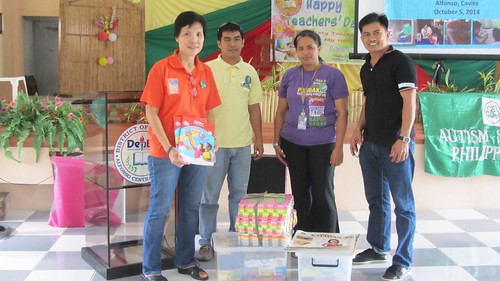
Ms. Janette PeƱa, Mr. Evert Malapad and therapists with educational materials

We are very thankful to Mr. Evert Malapad, active ASP parent member and SPED practitioner. Through his kind effort, he brought in a team of occupational and speech therapists to our municipality of Alfonso. They are T. Liza Gozo (OT), T. Michelle Rafols (OT), T. Joie Brillantes (ST) and T. Julie Rimanado (ST). The team also donated educational materials to the SPED Program of Alfonso Central Elementary School, where most parents are ASP members. About 36 children with special needs from this school and the community were given assessment and recommendation services.

Mam Jan PeƱa of ASP National was also there for giving us support. She also donated activity books for student and teacher reference. We hope this is just a start of a journey towards ensuring quality life of all children wih special needs. Once again in behalf of all parents here in Alfonso, thank you!

About the contributor: Ms. Jeanette Vidallon is the President of ASP Alfonso; and an active mover in the growing advocacy in their community.

27 January 2021

ASP’s Homepowerment Program – Empowering Families thru Training and Therapy Services for CWAs

The ASP HOMEpowerment program offers parent training and counseling, home programs by occupational and speech therapists for economically vulnerable families with children on the autism spectrum under 8 years old. We aim to equip parents with the knowledge and skills to confidently care for their neurodiverse child. The program includes a limited number of online occupational, speech assessment and therapy sessions within a six month period for a limited number of beneficiaries.
The image shows a boy loving his mom.
HOMEpowerment 2021 Poster


1) The applicant family must ...

1.1 be current members of Autism Society Philippines
1.2 have devices (computer, tablet, smartphone) and access to the internet
1.3 commit to attending all online parent trainings, discussions, consultations
1.4 commit to implementing programs and recommendations at home

2) The child with #autism must ...

2.1 have a formal autism diagnosis from a licensed professional or a recommendation from a licensed occupational or speech therapist
2.2 be born no earlier than July 2013 (be 8 years old and below)

3) The applicant family must fill out this form below. ASP will schedule interviews with the applicant families. THERE IS NO NEED TO FOLLOW UP. WE WILL REACH OUT TO ALL APPLICANTS FOR INTERVIEW SCHEDULES. PLEASE BE PATIENT.

4) ASP will select a limited number of children with autism to benefit from the program.

Occupational and Speech Therapy shall be conducted online by licensed professionals. This enables the program to reach more families anywhere in the Philippines where internet services are available.

Training sessions are open for all applicants whether they qualify for the free therapy and mentoring sessions or not.

18 June 2011

UP-CAMP Therapy Services for Autism

By: Cathy Genovia, Administrative Assistant

Autism Society Philippines National Office was invited by the UP-College of Allied Medical Professions (UP-CAMP) to attend the Clinic for Therapy Services’ (CTS) Open House last June 15, 2011.

The event featured tours of the clinic’s Pediatric and Adult-Adolescent Sections and exhibit showcased the different CTS service programs and the artworks done by the patients of the clinic.
Clinic for Therapy Services

Kristofferson Mendoza (PTRP), Program Head of CTS and Jairus Jericho Perocho, Clinical Supervisor, toured yours truly at the center and introduced to me some of the programs and services of CTS.
Kristofferson Mendoza (PTRP), Program Head of CTS and Jairus Jericho Perocho, Clinical Supervisor

Below is my interview with Mr. Mendoza.

CG: For interested ASP parent members who wish to enroll their children for therapy, what requirements are needed in CTS UP-CAMP?

KM: We need the doctor’s referral.

CG: Do they need to bring their child with autism on their first visit here?

KM: No. They just need to show our secretary, a doctor’s referral. The secretary will then get all the contact details of the child/parent. They have to make sure that contact details are correct.

CG: So once the child is already listed, does it mean that the child will now have his/her therapy session?

KM: No not yet. Once the children are on our referral list, they still have to be scheduled for evaluation by our in house therapists. Our secretary will contact the parents, once the child’s schedule is arranged. After the child is evaluated, then he/she will be scheduled for treatment or therapy sessions.

CG: How much is the fee for the evaluation and treatment?

KM: For the evaluation its P90 and for treatment or therapy session is P50/session.

CG: Does the center give home programs for the child while the family is waiting for their child’s turn to be evaluated?

KM: It is important that we evaluate the child first. If the child is already evaluated, then that’s the time we give them something to do at home.

CG: Good if the child is already evaluated. How about those who are still waiting? How are their needs addressed?

KM: You know what? Honestly, we are so thankful that ASP has already a chapter here in Manila. Mamy Beth (Beth Udquin, ASP UP-CAMP Chapter President) is really very active is a big help to us.

For those who are already listed and waiting for their evaluation schedules, ASP UP-Camp Chapter volunteer officers and members conduct Autism Orientation Sessions to help parents. So, when their turn comes, it is much easier for us to communicate with parents, because will have been oriented already on what to expect.

“We are thankful to Mommy Beth and the rest of her team for the support offered, so in return, we accommodate them to use the clinic for their programs, with no financial obligations.” said Ms. Alma Labro, clinic secretary.

Twice a month, ASP UP-CAMP Chapter, under the leadership of Chapter President, Ms. Elizabeth B. Udquin, give free parent orientations to newly diagnosed children with autism. Parents are given tips on how to handle their CWAs and suggested activities for the children.

Special thanks to Mr. Kristofferson Mendoza and Ms. Alma Labro

-------------------

For more information, you can contact the ASP UP-CAMP Chapter President at 253-9140 or 0929-514-6801 with email add comronald@yahoo.com.

Make someone with autism happy by becoming an Autism Angel. Donate generously to ASP Programs and Services. Donate to Autism Society Philippines Metrobank Kamias Branch 047-3-04751874-2. Email us at autismphils@gmail.com or call 7-903-5496.

27 May 2020

Creating Autism-Friendly Home Learning Environments in the New Normal

Families of children and adults on the autism spectrum face unique challenges in building a positive home environment conducive to personal and academic learning. The Autism Society Philippines acknowledges the need for parents to take a hands-on role in their child’s development.

ASP is offering a four-part series of FREE FREE FREE seminars, EXCLUSIVE TO ASP MEMBERS. Each seminar is a pre-requisite to the next one in the series.

The seminars aim to equip families with strategies to thrive in a home-centered school and therapy arrangements in the new normal.

The image shows the teacher teaching her student what to answer.
Free Seminar series exclusively for ASP Members

The series consists of the following topics:

Session 1: Inspiring Positive Behaviors
06 June 2020, Sat, 2pm-4pm

The session will answer questions often asked by parents in inspiring cooperative behavior in their children on the autism spectrum. How can you motivate your kids to do unpreferred tasks, be more compliant, preempt aggressive behaviors? THIS SESSION IS AN INTEGRAL PART OF THE 3 SUCCEEDING SESSIONS.

Our Speaker:

Ms. Cecile Sicam
Cecile Sicam is one of the 11 original founders of the Autism Society Philippines. She has served ASP in many capacities, as Secretary, President from 2001 to 2004; Vice President. Cecile has been teaching children with special needs for more than 2 decades. She taught SpEd for three years Santa Clara County, California; and upon her return resumed her position as Program Coordinator of Bridges Foundation Inc.

She served as BFI's Directress from 2010-2016. She was her son's job coach upon his transition from school. Her adult son, Likas, has been employed for more than a decade. Now retired, she is currently ASP's Board Secretary, Education Committee Head and Project Manager of the Homepowerment Project.

Session 2: Developing Speech and Communication
20 June 2020, Sat, 9am-11am

There is so much opportunity to teach your child language and communication in the home. This webinar helps parents spot those opportunities for language learning given a more conducive home environment.

Our Speaker:

Ms Ma. Cynthia Quiason
Ma. Cynthia Rodriguez-Quiason. Teacher Ting is the pioneer that started it all. As founding President of the Philippine Association of Speech Pathologists, she opened a venue where we could all learn and grow together, collaborate with each other in ensuring that we continue to improve in our profession, and that every Filipino who needs our help may be assisted by providing quality service. She laid the foundations for the association, which we have grown to respect and love today. Her career speaks of years of dedicated service, not just to clients who need speech and language intervention, but also to her fellow speech pathologists, paving ways to uplift and constantly improve the profession. A graduate of BS Speech Pathology from UP-CAMP in 1985, Teacher Ting's 29 years as a speech pathologist encompasses advocating for the profession in various events and seminars, providing services to both pediatric and adult clients, which she continues to do as a Senior Consultant at Speech Ladder Therapy Center and as the co-owner of the Center for Exploration and Experiential Development, and educating generations of future speech pathologists, formerly in the UP- College of Allied Medical Professions, and currently at the UST-College of Rehabilitation Sciences. Teacher Ting continues to be dedicated to the association's cause, being active in the various activities of PASP. Truly, a model of high standards for current and future speech pathologists.

Session 3: Structured Teaching at Home
27 June 2020, Sat, 2pm-4pm

Structured teaching is a system for: organizing space; change of activities with schedules; work study systems to facilitate learning process; and material organization to promote independence. Its primary purpose is to improve adaptation of persons with autism by modifying or structuring the environment to accommodate learning challenges of those in the spectrum.

Long before the “new normal”, our 3 resource persons have long been emphasizing the need for consistent practice of structured teaching by carers at home. This zoominar features application of structured teaching at home from the resource persons’ personal experiences with their sons with autism and those of other families they met.

Participants will also be given the opportunity to share their own experiences in structuring their home during the community quarantine.

Our Speaker:

Ms Dang Koe
Dang Uy Koe is ASP’s Chairperson Emeritus and Chairman of ASEAN Autism Network. She graduated with degrees in Communication Arts from the University of Santo Tomas and the University of the Philippines. A sought-after speaker who travels to many parts of the country sharing hopes and building dreams with families living with autism, Dang is the recipient of 2013 Apolinario Mabini Award for Rehabilitation Volunteer and UST’s 2009 The Outstanding Thomasian Alumni Award for Humanitarian Service for her autism advocacy work.

For her regional advocacy work, she was honored as the 2018 ASEAN Prize Laureate. Dang is the mother to three boys, including Gio, an adult on the autism spectrum, who propels her to be a passionate autism advocate.

Session 4: Meeting Sensory Needs through Movement
04 July 2020, Sat, 2pm-4pm

Even during this lockdown, we need to make sure our children are moving and active. Why is movement so important in learning and brain development? What are the benefits of being active? What are some sensory-rich activities we can do at home, using easy to find materials? Find out all these during our session.

Our Speaker:

Anna Yap Tan Pascual
Anna Yap Tan Pascual is a licensed occupational therapist, registered both in the Philippines and Australia. She took BS Occupational Therapy in 1992 and finished her Master in Rehabilitation Medicine in 2002 both at UP-Manila. Teacher Anna has worked in the Philippines, USA, Australia and China in the past 27 years being a pediatric occupational therapist. She organizes and serves as main speaker and facilitator for numerous seminars and workshops. She works with kids from 0 to 18 years old with various disabilities. Teacher Anna uses principles of sensory integration within a developmental framework to help prepare children to be successful in the school and home settings.

05 September 2016

An open letter to parents, from an SLP

This article originally appeared as a Facebook post (http://bit.ly/2dmL3qF).

Different for different people. One of the difficult questions usually posed by parents when commencing therapy is when will their child talk, walk or be regulated enough in varied situations. After practicing the SLP profession for more than 2 decades, I cannot answer this question because each child has his or her own pace. Some are more receptive to therapy than others. Varied factors come into play and one pressing factor is the severity of the problem or degree of delay.

Specialists are backed with years of study and training.

To our dear parents, your OT, PT, SPED and SLP professionals have studied and have been trained for 4 to 5 years to be able to assess and manage clients with different types of disorders or delays. Some of us even specialized in specific therapeutic approaches, just to make sure that we are able to match our program with our client's current needs.

My analogy is simple, do you go to a plumber when your car breaks down? Professionals handling your child have their own specialization, be cautious when somebody says he or she is a plumber/mechanic/electrician/carpenter/barber rolled into one. Dear parents, ask for credentials. It is your right to do so.

I believe that when clients/parents are more informed, they will also make informed decisions. In this day and age of fake products and professionals, we have to be more vigilant.

The image shows Ms. Weng smiling and wearing green blouse.
Photo credit: Murphy Project

Passion for the profession is an understatement for Weng, who has been practicing for 21 years. After obtaining her BS SP degree from UP-CAMP in 1993, she pursued her post-graduate studies in UP Diliman as a University Scholar, leading to her completion and making her the first speech pathologist in the Philippines to obtain a Masters Degree in Reading Education. Weng is currently the Program Director of Trails Center for Children, where she mentors young therapists and sees clients. She is also the founder of VolunTrails, an outreach program providing free therapy services to indigent special children in Legazpi City, San Pedro, Laguna, and DasmariƱas, Cavite.

07 March 2016

Saori Handweaving: Art Therapy

The National Council on Disability Affairs and VSA Arts Philippines is looking for five (5) ASP members to invite to a FREE FREE FREE 2-day Saori Handweaving: Art Therapy on April 12-13, 2016 at NCDA Building, Isidora Street, Barangay Holy Spirit, Diliman, Quezon from 8:00AM to 4:00PM with the theme “Express Yourself.”
Saori Handweaving

PWA participant must be above 18 years old, an independent learner with a inclination for the arts and an ASP member. There would be an exchange of ideas about contemporary hand weaving and a showcase of hand woven of each participant. Deadline for application as an ASP representative is 31 March 2016 at 12noon.

The VSA Arts Philippines in partnership with VSA Japan and SAORI Hiroba Osaka are jointly spearheading this art therapy for persons with disabilities and other persons with interest in this endeavour who can transfer this modern technique of hand weaving. Saori weaving helps people with disabilities become self-reliant and participate in the society.

29 October 2014

ASP hosts seminar on music therapy

The Autism Society Philippines conducted a seminar, entitled “Music Therapy as an option for PWAs.” The seminar was held at Mini Theather Lopez Building Meralco Compound, Pasig City last October 25, 2014, attended by parents, professionals and advocates. The seminar was facilitated by Ms. Ma. Solinda Garcia-Bautista, one of the first batch of graduate students at the St. Paul University Manila College of Music and the Performing Arts, a Center of Excellence for Music pioneering Music Therapy programs in the Philippines.

Participants in Music Therapy seminar

Music therapy is considered one of the expressive therapies, consisting of a process in which a music therapist uses music and all of its facets—physical, emotional, mental, social, aesthetic, and spiritual—to help clients improve their physical and mental health. Music therapists primarily help clients improve their cognitive functioning, motor skills, emotional development, social skills, and quality of life, by using music experiences such as free improvisation, singing, and listening to, discussing, and moving to music to achieve treatment goals.

Participants shared their thoughts about the seminar:
"Very good, very interactive and very ambitious. The seminar is excellent."

"Covered both music and ASD. Could have given more sample studies."

"The speaker is amazing. She is also able to show how to do music therapy in an easy way that even parents could do it with their children."

"Informative all in all and a lot of things opened on me personally on the treatment of my child."
About the contributor: Lloyd Ngo worked as an ASP intern when he attended Independent Living and Learning Center. He began working in 2012 as an encoder at the Ongkiko Manhit Custodio and Acorda Law Offices in Makati. He is currently ASP’s Program Assistant for Communications.

02 July 2010

“A” Fun Run For a Cause

By: Jenny Gundran, ASP Baguio Chapter, President

ASP Baguio Chapter spearheads their first “A” (Autism) Fun Run for a Cause at Burnham Lake Drive, Baguio City last June 27, 2010. A total of 482 participants, coming from different schools, universities, establishments and private sectors of Baguio City; running enthusiasts; friends and family of members; joined the activity.

The "A" Fun Run for a Cause at Burnham Lake Drive, Baguio City
last June 27, 2010 with a total of 482 participants

The Fun Run was organized by the chapter in cooperation with Play and Say Therapy Center, through the help of Cool City Group, headed by Ms Che Alberto. The activity aimed to raise funds for the continuity on ASP Baguio’s Autism Awareness Campaign and projects like seminars and free therapy for children with autism and special needs.

During free therapies, the chapter invites Occupational, Speech and Physical Therapists to help the children. Hopefully this time, a Developmental Pediatrician will join the team to assess and give home programs for CSN.

Aside from competing in the 3K, 5K and 10K runs, it was really a day of fun, as it was like a reunion for everyone, with old friends meeting again. Many willingly joined the activity, despite the chapter running out of commemorative shirts, or the prizes, simple. The activity was also a chance for the community to give back to children with autism and their families. The “A” (Autism) Fun Run for a Cause is the first in Baguio City but, it won’t be the last.

Acknowledgments: Sponsors of bottled water and other donations in kind; volunteers from BBPICAG, HPG, BFP, BPC and friends, and to everybody who made this activity successful, “THANK YOU!”

ASP Chapters continue to work hard to raise funds for projects and activities. Be an Angel for Autism. Donate to ASP Chapters. The time is now. Log on to ASP Community Website or email us at autismphils@gmail.com or call 7-903-5496.

03 December 2013

Pushing beyond boundaries of autism through art

Autism Society Philippines’ former board trustee, Cristina Estampador, is our Angel Talker this week. Chris is a mother to two boys, Henry and Derek who are in the autism spectrum, a blogger (Eclectic Journals) and one who is into esoteric practices and quantum science. She recently facilitated Project HeART for Autism Society Philippines and Metrobank Foundation.

•••

Art has long been seen as a powerful means of self-expression. The process of art making has been recognized to ignite movements, evoke emotion and open communication in visual and theatrical forms.

Combined with the science of psychology, art plays the role not only of communicator and educator but also as a healer due to its therapeutic and experiential nature. This, therefore, brings to light its own field in psychology: art psychotherapy.

Teens with autism in Project HeART for Healing Workshop

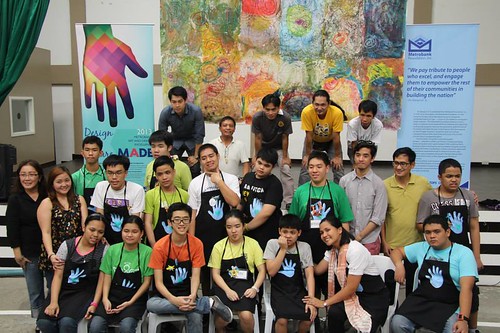
This marriage of science and artistic practices gave birth to “Project HeART,” an art therapy program by Metrobank Foundation’s Metrobank Art & Design Excellence – Network Of Winners (MADE-N.O.W.). MADE-N.O.W is the alumni organization of the Foundation’s 29-year art and design program, MADE. Past winners who are painters, sculptors, interior designers and architects become a part of this organization which aims to implement projects that “pay it forward” to the community.

The first-of-its-kind art therapy program, Project HeART uses the science of art psychotherapy and the technical skills of the artists. In consultation with clinical psychologist Dr. Grace Brillantes-Evangelista, MADE-N.O.W., with the support of Metrobank Foundation, Inc. partnered with the Autism Society Philippines for “HeART for Healing: art therapy for children with autism.”

Fourteen adolescent children with autism and other special needs participated in the weekly art therapy workshop sessions with volunteer artists from MADE-N.O.W: Noell El Farol, Salvador Ching, Rex Tatlonghari, Ferdinand Doctolero, Jonathan Dangue, Thomas Dacquioag and Dr. Evangelista. The workshop aimed to utilize artistic practice in order to discover talent, open lines of communication and explore possibilities of self-discovery for the child.

The children were introduced to different art making mediums and techniques such as basic drawing, watercolor techniques, sculpture and mixed media. More than learning about creativity, both parents and participants engaged in activities for self discovery, visual communication and exploration of positive emotions. All these were supervised by a clinical psychologist.

Through the various sessions, the participants learned more about themselves and their personality through mixed media portraits. A unique visual conversation between the parent and the child resulted in better understanding as HeART for Healing was designed to include parent-child participation in the exploration of shared memories and feelings of happiness.

Watercolor as a medium was used to explore the child’s focus, expressions of release and interpersonal relations through a collaborative artwork for the whole class. Symbols of healing, empowerment and self-transformation were transformed into tangible sculptures, which served as a reminder that they are equipped and empowered to express to the best of their potentials.

HeART for Healing is the first of several art therapy projects to be conducted and supervised by a team of clinical psychologists, occupational therapists and professional artists. Metrobank Foundation, Inc., MADE-N.O.W. and Autism Society Philippines embarked on this journey of self discovery and empowerment to promote the transformative effect of art practice in discovering ones’ full potential. Pioneer organizations hope to continue this endeavor in collaboration with other groups.

The ASP will celebrate its 25th year with various activities. The highlight is the Angels Walk for Autism on Jan 19, at the Mall of Asia Arena in Pasay City. The event which also marks the 18th National Autism Consciousness Week, attracts thousands of participants from all over the country, through simultaneous walks organized by ASP’s provincial chapters. Sign up on-line for free tickets at http://bit.ly/angelswalk2014.

This article appeared on 02 December 2013 in the print and on-line versions of Manila Bulletin's "Angels Talk" under the by-line of Dang U. Koe, ASP Chair Emeritus.

 
Design by Free WordPress Themes | Bloggerized by Lasantha - Premium Blogger Themes | Sweet Tomatoes Printable Coupons